What does it mean to co-design a museum?
Since 2021, We Exhibit has been working alongside the Museo Civico di Rovereto on a gradual transformation of its permanent exhibition spaces. The project brings together staff training, the development of a new interpretive framework and the redesign of the galleries, with accessibility as the guiding principle at every stage.
The aim is not simply to renew the displays, but to foster a deeper change: opening up the museum’s scientific heritage to a wider audience, while also showcasing the research and expertise that define its identity.
How can complex scientific content be communicated while respecting the principles of accessibility? The Rovereto case shows how co-design, attention to the visitor experience and exhibition design can build new ways of connecting scientific knowledge with the public.
From scientific research to the visitor experience
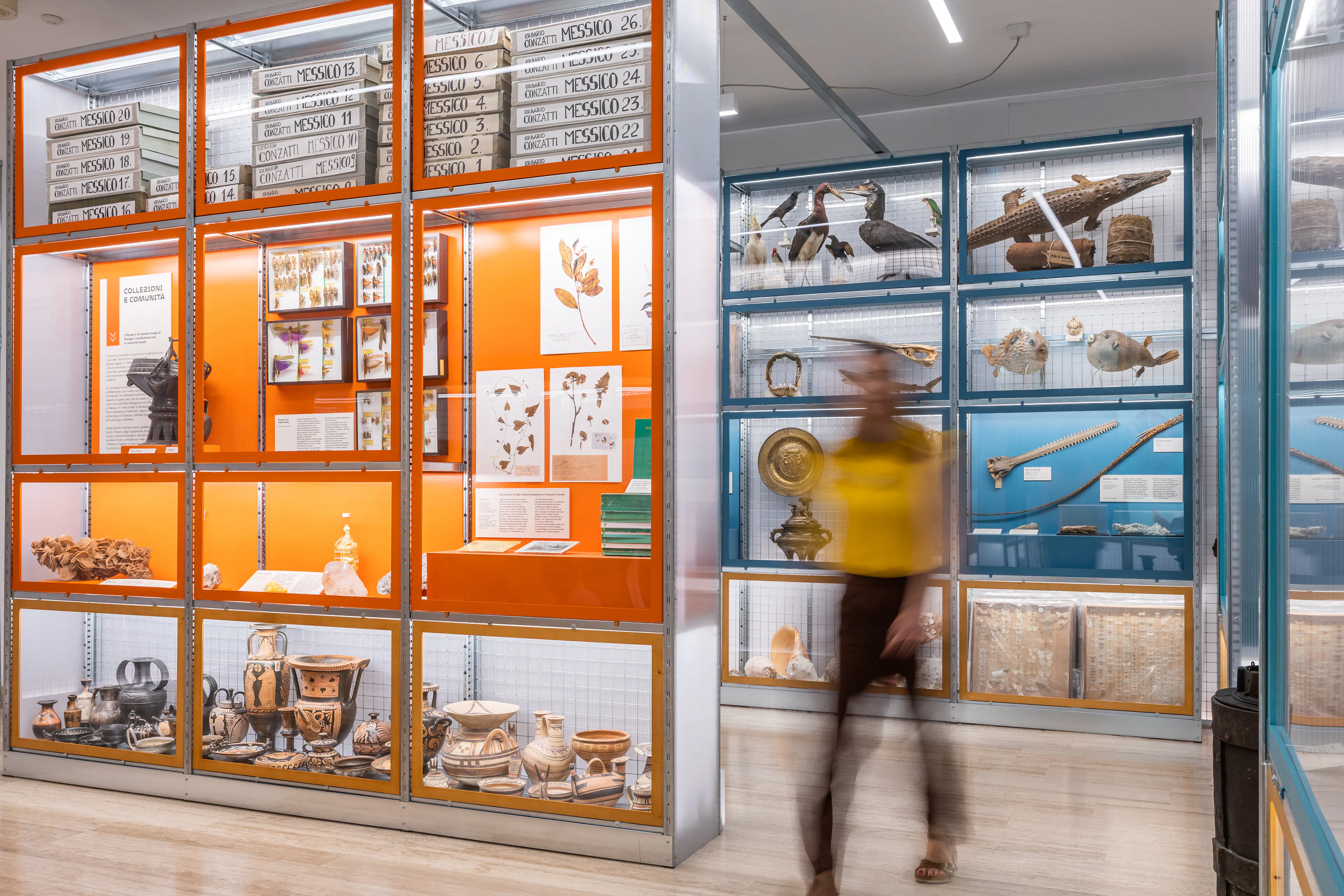
One of the main challenges was striking a balance between the rigour of the research and the need to communicate its findings in an understandable way. The museum brings together very diverse collections, from botany to mineralogy, from palaeontology to zoology, and archaeology. A shared approach to presenting content was therefore needed, one that would respect the specific character of each discipline.
For this reason, the work began with a dialogue with the museum staff. Between February and September 2021, a training programme involved the team in the themes of accessibility, visitor experience, communication, interpretation and participatory practices. It was an opportunity to share tools and perspectives, analyse existing barriers and think together about how to make the content clearer without over-simplifying it.
As Nicolas D’Oronzio, co-founder and creative director of We Exhibit, explains:
"One of the most complex challenges was rethinking the way the museum team viewed their own work."
"Those who work in research are used to dealing with highly specialised content, and finding ways to communicate it more accessibly can raise fears of losing some of the scientific rigour.”
The dialogue continued over time: the researchers contributed their knowledge and helped define the content, while the We Exhibit team worked on its organisation and communication, paying particular attention to the experience of visitors.
“The discussions with the museum team, which lasted several months, led to important results.
The content has become more accessible and engaging, and the staff have been able to add new tools and approaches for communicating their research to their own scientific method.
Building a coherent narrative across different disciplines
With such a wide-ranging collection, it was essential to define a common narrative framework to guide visitors along the entire route. Rather than treating each discipline as a separate exhibition, We Exhibit, together with the museum, developed shared interpretive guidelines, which shaped the development of content in the various galleries and allowed each field to retain its own character within a coherent experience.
“The challenge was to find a way to preserve the specific character of the different disciplines while building a coherent narrative along the whole route. That is why we worked on defining common guidelines, applicable to the different sections of the museum.”
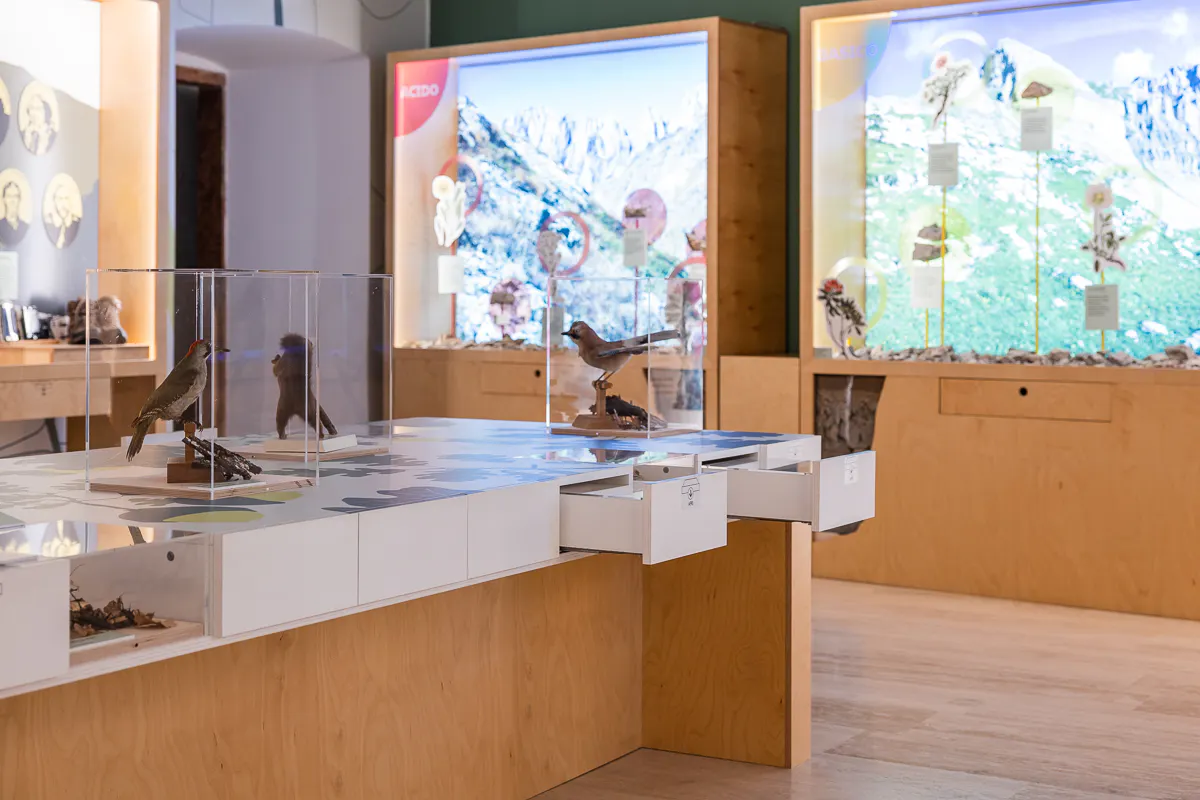
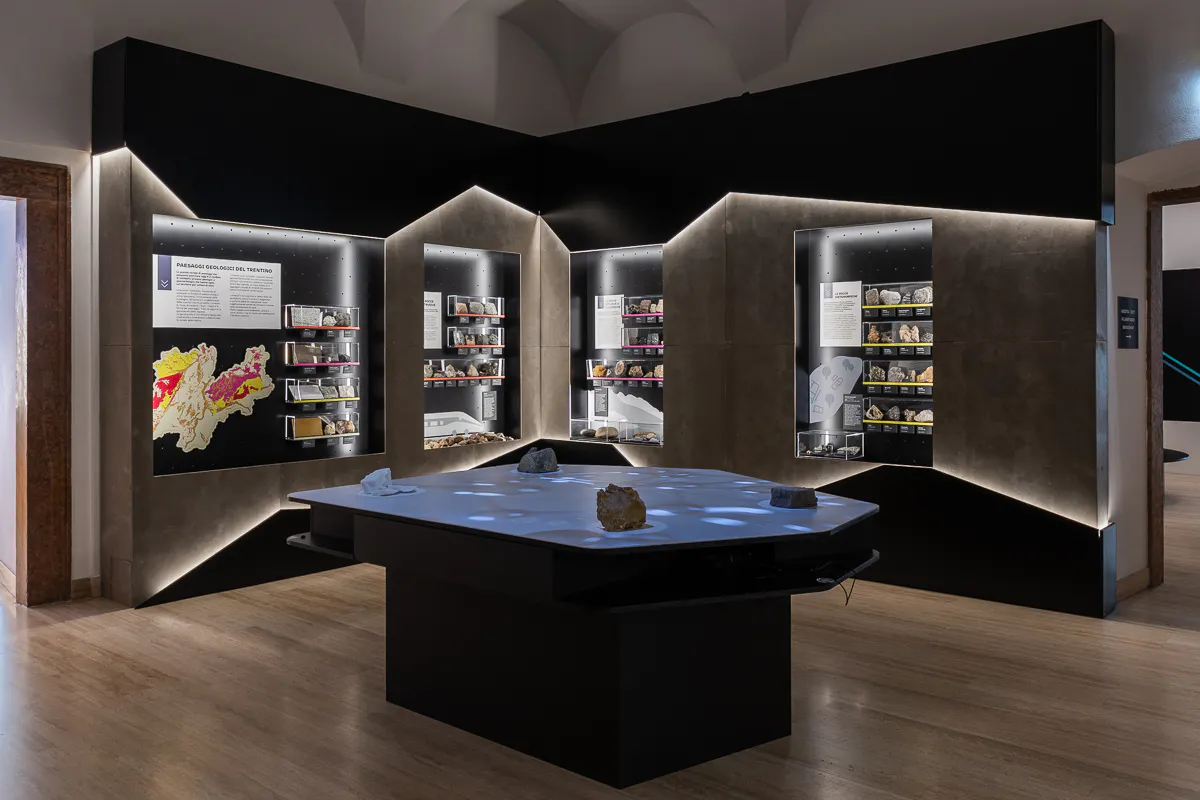
Starting from the content and objects considered most significant, the exhibition design focused on how these elements relate to one another and to the space. The arrangement of the collections, the sequence of the route, the focal points, the display cases and the exhibition supports have all been designed so that the layout guides the reading of the content without overshadowing it.
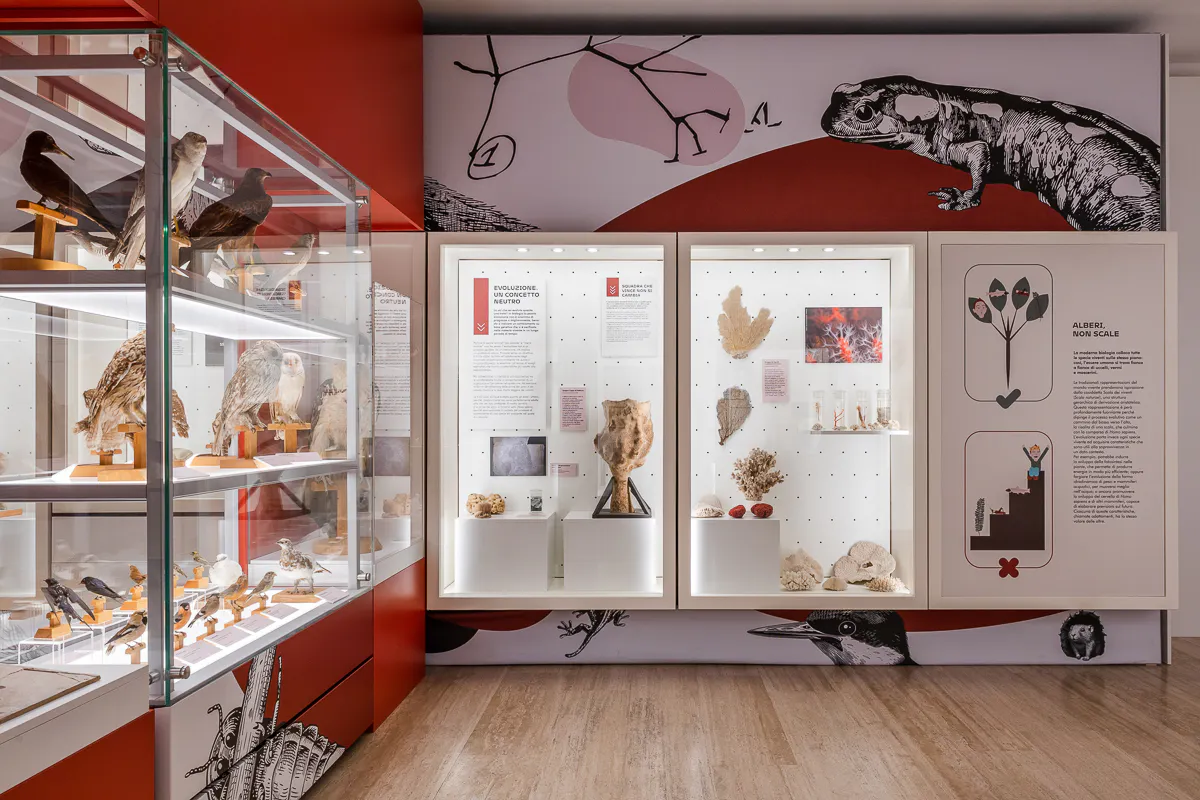
The graphic dimension is also part of this system: it does not merely identify sections and make information legible, but builds a visual language that engages with spaces, objects and narrative. Environmental graphics, infographics, illustrations, texts and captions all help to define the atmosphere of the galleries and to shape the relationship between visitors and what they are looking at.
The display thus becomes an integral part of the narrative: not simply a container for the collections, but a means through which content, space and people come into relation.
A shared process, with accessibility as the guiding principle
One of the distinctive aspects of the project is the constant dialogue between We Exhibit and the museum staff, from the definition of objectives through to the supervision of the installation.
The different areas of expertise (museology, interpretation, exhibition design, architecture, graphic design, accessibility and visitor experience) were integrated progressively: content and narratives were developed together with the researchers, museological and spatial studies defined the route, architectural design addressed the adaptation of existing structures and the creation of new supports, and graphic design translated the narrative into a coherent visual system. Accessibility checks and text revision accompanied every activity, while production and installation gave concrete form to the solutions.
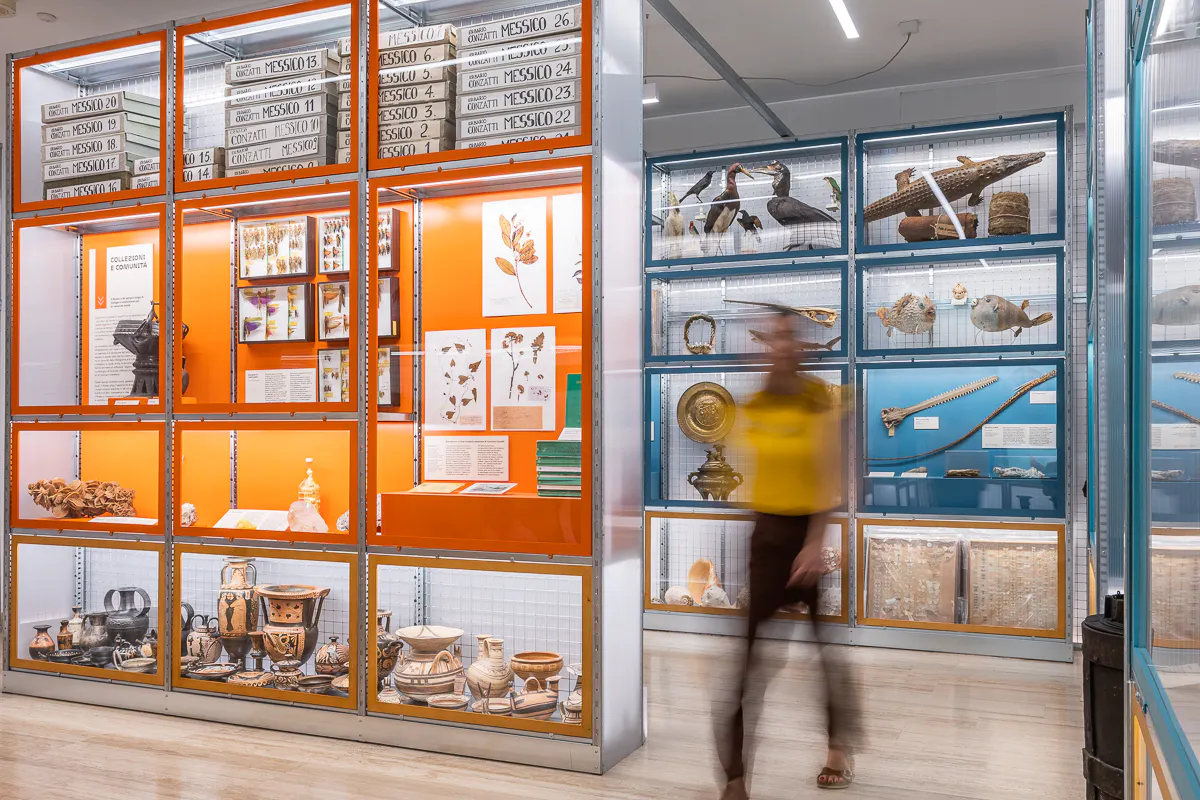
In this framework, accessibility was neither a final check nor an additional layer to be introduced once the project was complete.
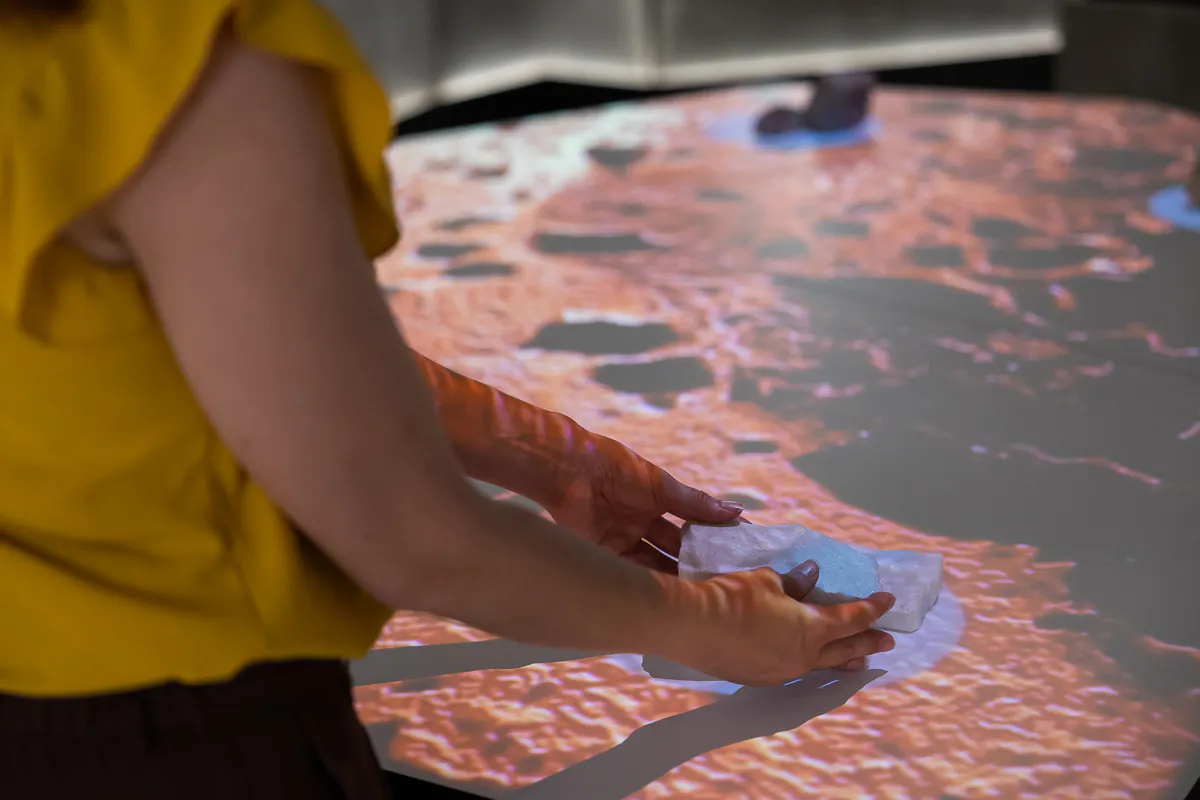
It was a working criterion present from the outset, shaping the construction of the content, the organisation of information and the experience of people in the spaces. Particular attention was paid to the relationship between content and the physical layout: the arrangement of objects, the organisation of the rooms, the graphic hierarchy and the legibility of the informational materials all determine how a person perceives and understands what they see.
The result is a highly participatory process: the project was not simply delivered to the museum, but built together with those who know its collections, its research and its institutional mission. This has also led to new shared skills and greater attention to the visitor experience in the museum’s day-to-day work.
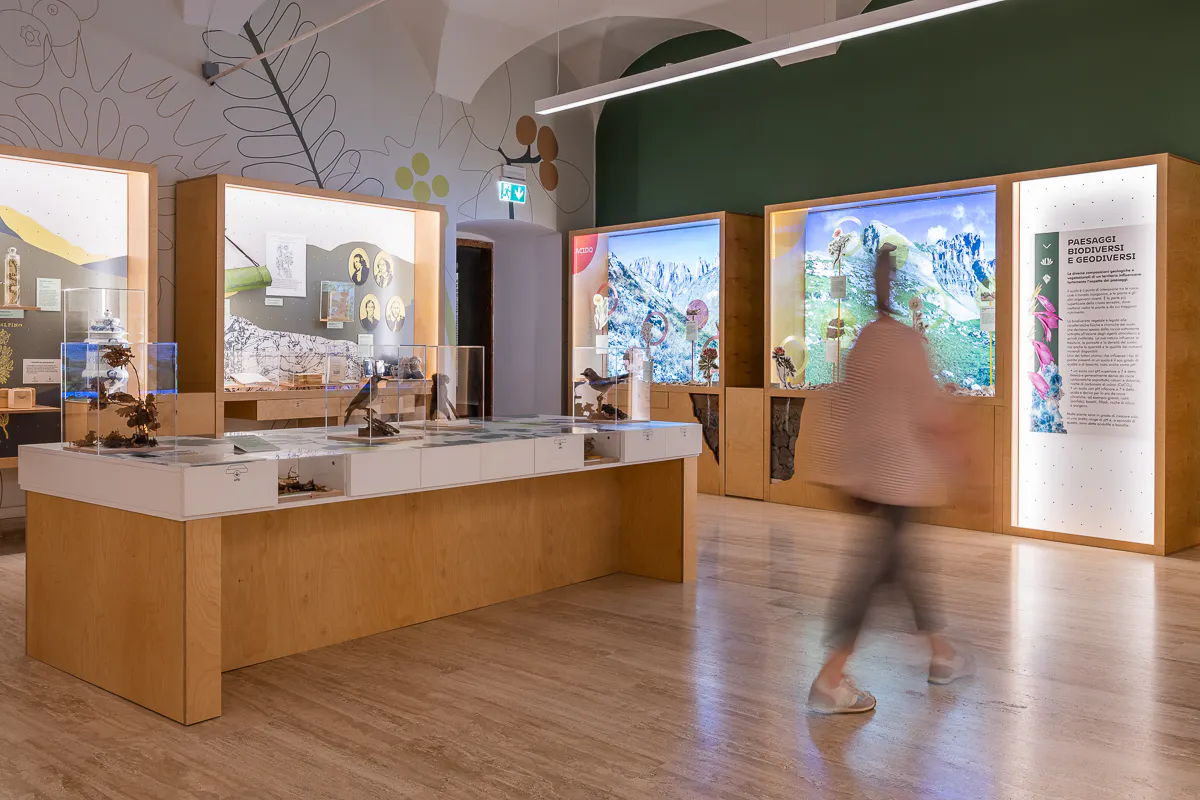
Rethinking existing spaces: reuse and design flexibility
The transformation also required a reflection on the exhibition structures already in place. The project began in the period following the pandemic, in a context of rising material costs and limited financial resources. Rather than replacing the displays entirely, the team assessed which structures could be kept, adapted or repositioned to meet the new needs.
“The existing structures had been built with great care, and many were still in excellent condition. From a sustainability perspective too, it made more sense to reuse them rather than needlessly produce new supports and materials.”
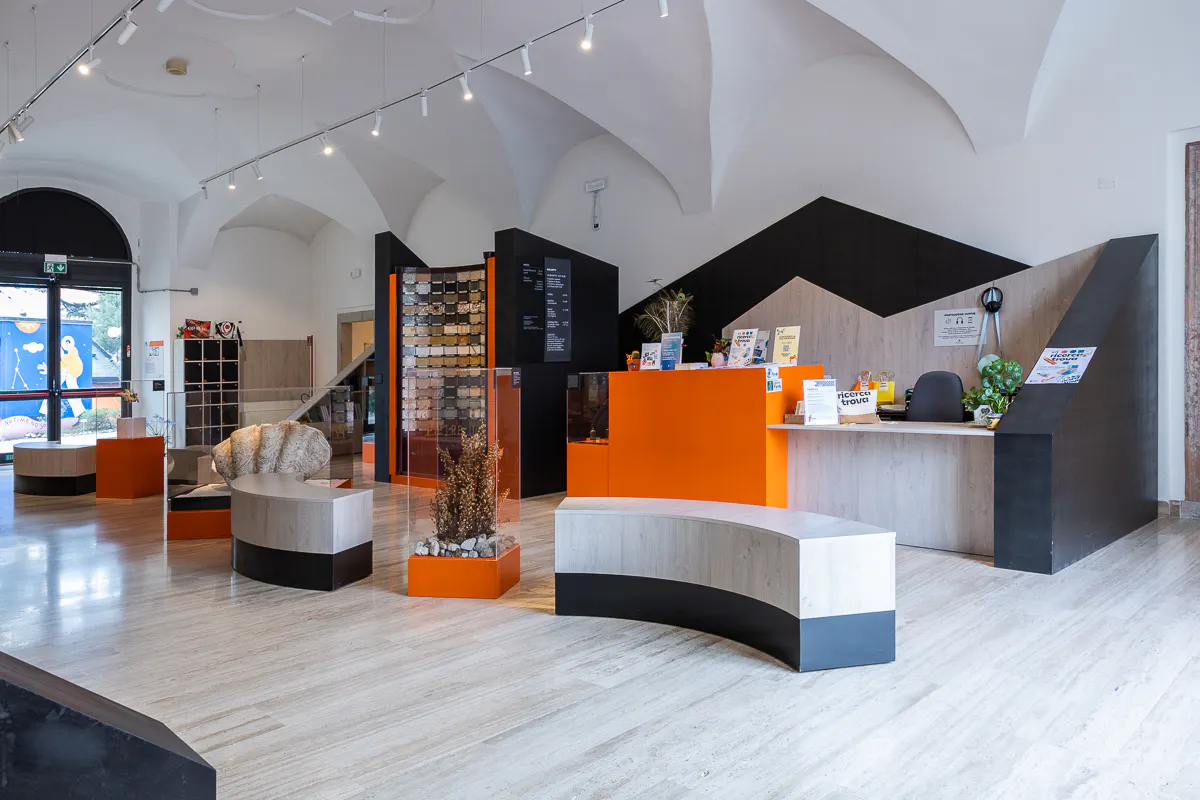
Display cases and structures were assessed in relation to the museum’s objectives, the new interpretive framework and the needs of individual galleries: some remained in their original position, while others were dismantled and relocated to different rooms. Working on an existing space requires the ability to adapt the concept to the architectural context, distinguishing the elements that are still functional from those that no longer serve the aims of the exhibition. The result is a balance between transformation and continuity: renewing the experience while making the most of the resources already available.
The redisplay was planned in successive phases, to meet the museum’s priorities and respect organisational, financial and operational constraints. The Planetarium was the pilot project, followed by the Atrium and the Botany, Mineralogy and Palaeontology galleries. The programme continued with the “From the World to the Museum” gallery and the redisplay of the Zoology section. The Archaeology section is the final phase planned to complete the programme.
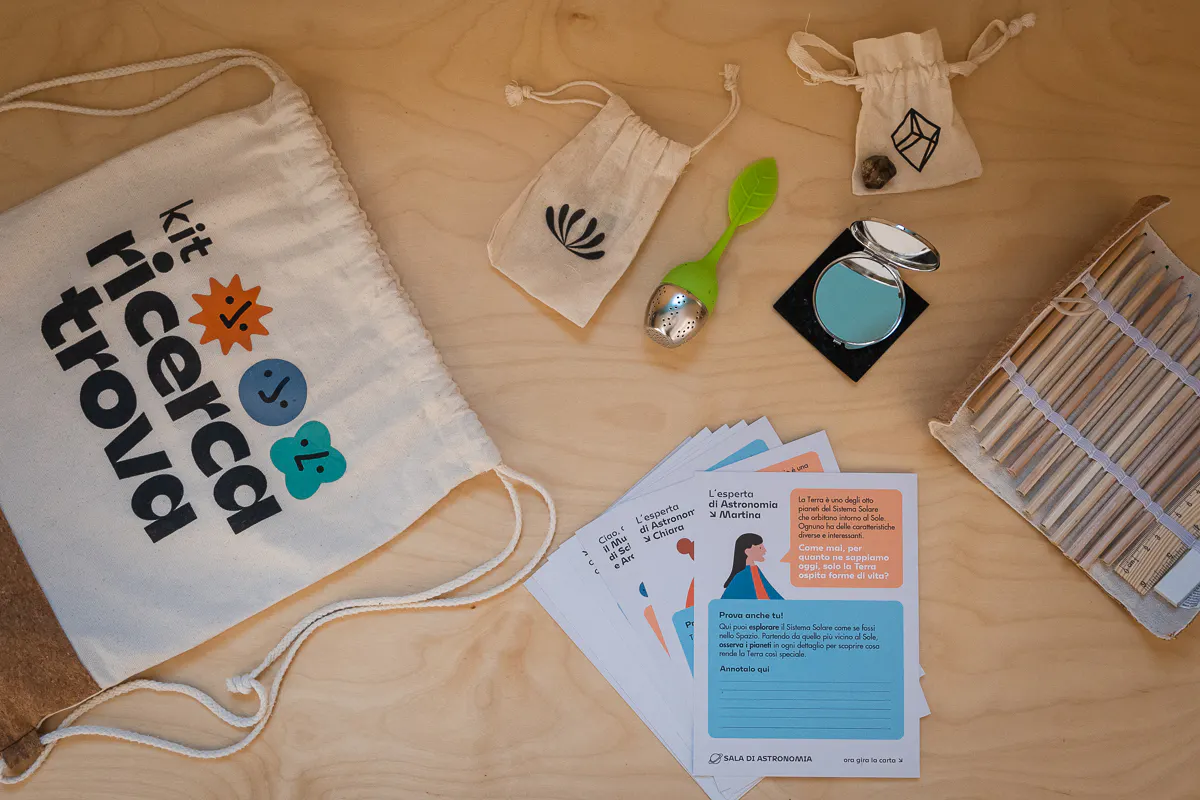
Alongside the permanent collections, the project also led to the development of the Kit Ricerca Trova, designed for families and children, which extends the museum experience through activities of discovery and exploration.
Each intervention fits within a shared design framework, tailored to the characteristics of the collection and the space. This gradual approach has made it possible to meet different needs without losing the coherence of the overall design.
Rethinking how the museum communicates
The Rovereto experience demonstrates how exhibition design can contribute to broader institutional change. The integration of scientific expertise, contemporary museology, accessibility, graphics and spatial design makes the museum’s body of knowledge more open to the public, without simplifying its content or compromising its rigour.
At its heart lies the desire to build connections: between research and interpretation, collections and audiences, established expertise and new ways of communicating. Co-design makes this dialogue possible, actively involving the people who produce and safeguard scientific knowledge in the process by which it is shared.
For We Exhibit, the project confirms the value of an approach to exhibition design understood as a collaborative process, in which the quality of the visitor experience is built long before the display itself is created.